
Comparative Study of Polishing Techniques
Polishing is a critical process in metal finishing, enhancing surface appearance and improving corrosion resistance. With various techniques available, it is vital to understand the differences and applications of each method. In this blog, we will explore several polishing techniques, their advantages, disadvantages, and best use cases for each.
Understanding Polishing Techniques
Polishing techniques can be broadly categorized into mechanical, chemical, and electrochemical processes. Each method serves unique purposes and utilizes different tools and materials.
Mechanical Polishing
Mechanical polishing involves the use of abrasive materials to remove imperfections from the metal surface. This technique is widely used due to its effectiveness in achieving a high-gloss finish.
- Uses physical abrasives like sandpaper and polishing compounds.
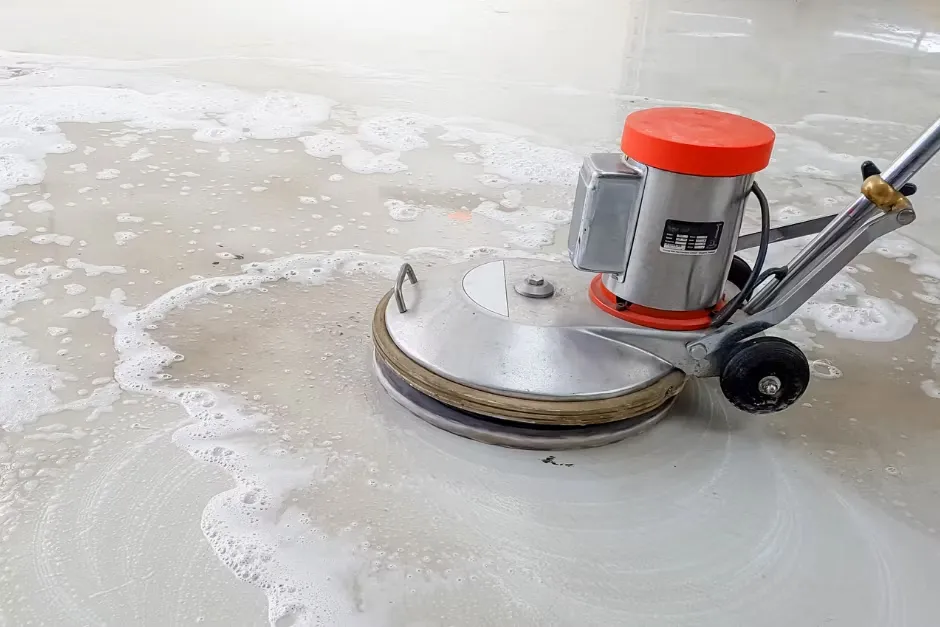
- Commonly performed with machines such as buffers and polishers.
- Suitable for a variety of metals, including steel, aluminum, and brass.
Advantages of Mechanical Polishing
- Produces a brilliant shine and smooth surface.
- Can be easily automated for mass production.
- Effective for removing deep scratches and imperfections.
Disadvantages of Mechanical Polishing
- Can generate heat, potentially damaging the substrate.
- Requires skilled operators to avoid surface damage.
- May produce dust and debris, necessitating proper ventilation.
Chemical Polishing
Chemical polishing involves using chemical solutions to remove a thin layer of material from the metal surface, resulting in a smooth finish without mechanical abrasion.
- Utilizes acidic solutions to achieve a polished effect.
- Best suited for metals like stainless steel and aluminum.
- Can reach intricate areas that mechanical methods may miss.
Advantages of Chemical Polishing
- No risk of scratching or damaging the metal surface.
- Environmentally friendly as it produces less waste.
- Can enhance corrosion resistance significantly.
Disadvantages of Chemical Polishing
- Requires careful handling of hazardous chemicals.
- Longer processing time compared to mechanical methods.
- Not suitable for all metals.
Electrochemical Polishing
Electrochemical polishing is a process where an electric current is used to remove material from a metal surface, creating a mirror-like finish. This method is especially effective for stainless steel.
- Involves submerging the metal in an electrolyte bath.
- Highly effective for achieving a uniform finish on complex shapes.
- Ideal for critical applications like medical devices and food processing equipment.
Advantages of Electrochemical Polishing
- Produces a high-quality finish with minimal surface roughness.
- Improves the metal's resistance to corrosion and staining.
- Consistent results across various shapes and sizes.
Disadvantages of Electrochemical Polishing
- Higher initial setup costs due to equipment requirements.
- Requires specific electrolytic solutions that can be hazardous.
- Limited to conductive materials.
Choosing the Right Polishing Technique
The selection of a polishing technique depends on various factors, such as the type of metal, desired finish, production volume, and cost considerations. Here are some key points to consider:
- Evaluate the type of metal to determine compatibility with methods.
- Consider the surface finish required for the application.
- Assess the production volume to choose between manual or automated processes.
- Factor in cost implications for both equipment and labor.
Conclusion
In conclusion, each polishing technique has its unique advantages and disadvantages, making it crucial for manufacturers and metal finishers to choose the right method based on specific needs and applications. Understanding these differences will help businesses like Pro Fine Metal Finishes make informed choices, ultimately leading to superior product quality and customer satisfaction.