The Environmental Impact of Metal Finishing
Metal finishing processes are essential in various industries for enhancing the durability, aesthetic appeal, and functionality of metal products. However, these processes can also have significant environmental impacts. In this blog post, we will explore the environmental effects of metal finishing, the regulations in place, and sustainable alternatives that can be adopted.
Understanding Metal Finishing
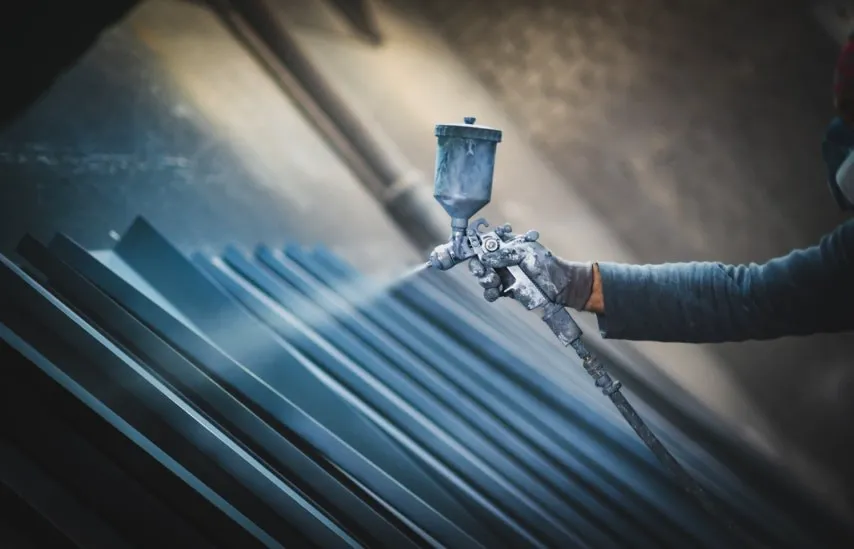
Metal finishing encompasses a range of processes aimed at improving the surface properties of metals. Common methods include:
- Electroplating
- Anodizing
- Powder coating
- Vapor deposition
- Painting
Environmental Concerns Associated with Metal Finishing
While metal finishing provides several benefits, it can also lead to various environmental issues, including:
- Chemical pollution from toxic substances used in processes
- Waste generation including hazardous materials
- Water contamination from process runoff
- Air pollution from volatile organic compounds (VOCs)
- Energy consumption leading to carbon emissions
Chemical Pollution
Many metal finishing processes involve the use of hazardous chemicals. For instance, cyanide is commonly used in electroplating, posing severe risks if not handled properly. The release of these chemicals into the environment can have detrimental effects on ecosystems and human health.
Waste Generation
The metal finishing industry generates substantial waste, including spent chemicals, sludge, and contaminated materials. Proper disposal methods are crucial to prevent soil and water contamination.
Water Contamination
Runoff from metal finishing operations can lead to the contamination of local water supplies. Heavy metals and chemicals can seep into rivers and groundwater, impacting aquatic life and drinking water quality.
Regulations Governing Metal Finishing
To mitigate the environmental impact of metal finishing, various regulations have been established, including:
- The Clean Water Act
- The Resource Conservation and Recovery Act (RCRA)
- The Clean Air Act
- Occupational Safety and Health Administration (OSHA) standards
Sustainable Alternatives in Metal Finishing
To reduce the environmental impact of metal finishing, businesses can consider adopting sustainable practices such as:
- Using eco-friendly chemicals and materials
- Implementing closed-loop water systems
- Adopting energy-efficient technologies
- Recycling waste materials
- Exploring alternative finishing methods like bio-coating
Eco-Friendly Chemicals
Switching to safer, biodegradable chemicals can significantly reduce the risk of chemical pollution. Many manufacturers are now offering eco-friendly alternatives that perform well without harming the environment.
Energy Efficiency
Investing in energy-efficient equipment and practices not only reduces carbon emissions but also lowers operating costs. Technologies such as LED lighting and energy-efficient heating systems can make a significant difference.
The Future of Metal Finishing
As we move towards 2025 and beyond, the metal finishing industry faces increasing pressure to adopt more sustainable practices. Innovations in technology and materials science are paving the way for greener solutions, making it necessary for businesses to stay informed and proactive.
In conclusion, while metal finishing is vital for many industries, its environmental impact cannot be overlooked. By understanding the challenges and embracing sustainable practices, we can ensure a healthier planet for future generations while continuing to benefit from the essential services that metal finishing provides.