The Importance of Metal Buffing in Aerospace Applications
In the aerospace industry, precision and performance are paramount. Metal components must not only meet stringent safety standards but also enhance the overall efficiency of aircraft and spacecraft. One critical process that contributes to these requirements is metal buffing. This blog post will delve into the significance of metal buffing in aerospace applications, highlighting how it enhances performance, reduces wear, and ensures safety.
What is Metal Buffing?
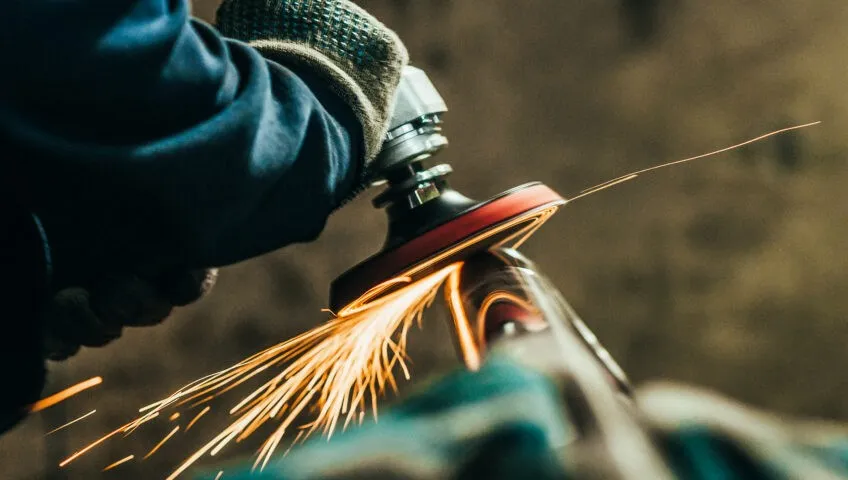
Metal buffing is a finishing process that involves polishing and smoothing metal surfaces to achieve a high-quality finish. This technique is particularly important in industries like aerospace, where the aesthetic appearance can also have functional implications.
Key Benefits of Metal Buffing in Aerospace
- Enhances Surface Smoothness: Reduces friction and improves aerodynamic efficiency.
- Improves Aesthetic Appeal: Provides a polished look that can enhance brand reputation.
- Increases Corrosion Resistance: Buffed surfaces are less prone to oxidation and corrosion.
- Reduces Wear: Smoother surfaces experience less wear over time, extending the lifespan of components.
- Facilitates Easy Maintenance: Buffed surfaces are easier to clean and maintain.
The Role of Metal Buffing in Performance Enhancement
In aerospace applications, performance is a critical factor. Metal buffing contributes to performance enhancement through several mechanisms:
- Aerodynamic Efficiency: Smoother surfaces reduce air resistance, leading to better fuel efficiency and faster speeds.
- Heat Dissipation: Buffed surfaces can improve heat transfer, which is vital for components exposed to high temperatures.
- Reduced Friction: By minimizing surface roughness, metal buffing decreases friction between moving parts, enhancing the performance of mechanical systems.
Applications of Metal Buffing in Aerospace
Metal buffing is utilized in various aerospace applications, including but not limited to:
- Aircraft Engine Components: Buffing helps in reducing friction in moving parts, thus enhancing efficiency.
- Landing Gear: Smooth surfaces on landing gear components reduce wear during landings and takeoffs.
- Structural Components: Buffed surfaces on structural elements improve overall performance and safety.
Best Practices for Metal Buffing in Aerospace
To achieve the best results in metal buffing for aerospace applications, consider the following best practices:
- Select Appropriate Buffing Compounds: Different metals require specific compounds for optimal results.
- Control Buffing Speed: Adjusting the speed during buffing can significantly impact the finish quality.
- Regular Maintenance of Buffing Equipment: Ensure that buffing machines and tools are kept in good condition for consistent results.
Conclusion
Metal buffing is a vital process in the aerospace industry that enhances performance, improves component longevity, and ensures safety. By investing in high-quality buffing techniques and adhering to best practices, aerospace manufacturers can achieve superior results that meet the stringent demands of the industry. As technology continues to evolve, the importance of metal buffing will only grow, making it an essential aspect of aerospace engineering.