
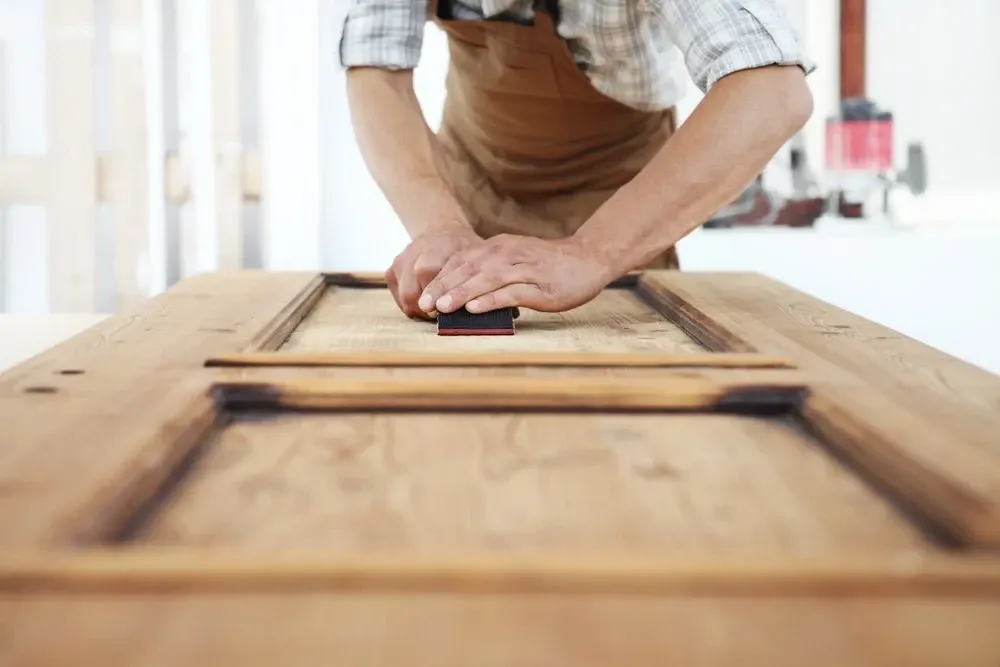
The Art of Antique Restoration: Techniques and Tips
Antique restoration is a delicate art that requires both skill and knowledge. Whether you are a professional restorer or a passionate hobbyist, understanding the techniques and tips for successful restoration can make all the difference in preserving the beauty and value of antique pieces.
Understanding Antique Restoration
Antique restoration encompasses a range of practices aimed at repairing, preserving, and conserving antique items. The goal is to maintain the original character and value while making necessary repairs.
Why Restoration Matters
Proper restoration can enhance the longevity and aesthetic appeal of antiques. It prevents further deterioration and allows future generations to appreciate historical artifacts.
Key Techniques in Antique Restoration
Different types of antiques require different restoration techniques. Here are some common methods used in the industry:
- Cleaning: Removing dirt and grime without damaging the finish.
- Repairing: Fixing broken parts using traditional methods like joinery or modern adhesives.
- Repainting: Touching up paint or refinishing surfaces to restore original color.
- Reupholstering: Replacing worn fabrics on furniture while maintaining the original design.
- Polishing: Enhancing the shine of metal or wood surfaces.
Specialized Techniques for Metal Antiques
Restoring metal antiques requires specific techniques to ensure that the integrity of the material is maintained. Here are some specialized methods:
- Electrolysis: A method for removing rust from metal surfaces.
- Patina Restoration: Recreating the original patina on antique metals.
- Soldering: Joining metal pieces together using heat and solder.
- Polishing and Buffing: Using tools to restore shine without removing too much material.
Essential Preservation Tips
To ensure the longevity of restored antiques, here are some preservation tips to keep in mind:
- Store in a climate-controlled environment to avoid humidity and temperature fluctuations.
- Use protective covers to shield items from dust and light.
- Regularly inspect antiques for signs of deterioration or damage.
- Handle with care to avoid accidental damage during cleaning or moving.
When to Seek Professional Help
While many restoration tasks can be handled by enthusiasts, some situations require professional expertise. Consider seeking help when:
- The item is highly valuable or of significant historical importance.
- The damage is extensive and beyond basic repairs.
- You are unsure about the correct restoration methods to use.
- You lack the necessary tools or materials for the restoration.
Conclusion
Antique restoration is an intricate process that requires a deep understanding of materials and techniques. By applying the right methods and preservation tips, you can ensure that your antiques maintain their beauty and value for generations to come. Whether you choose to restore items yourself or seek professional help, the art of antique restoration is a rewarding endeavor that celebrates history and craftsmanship.